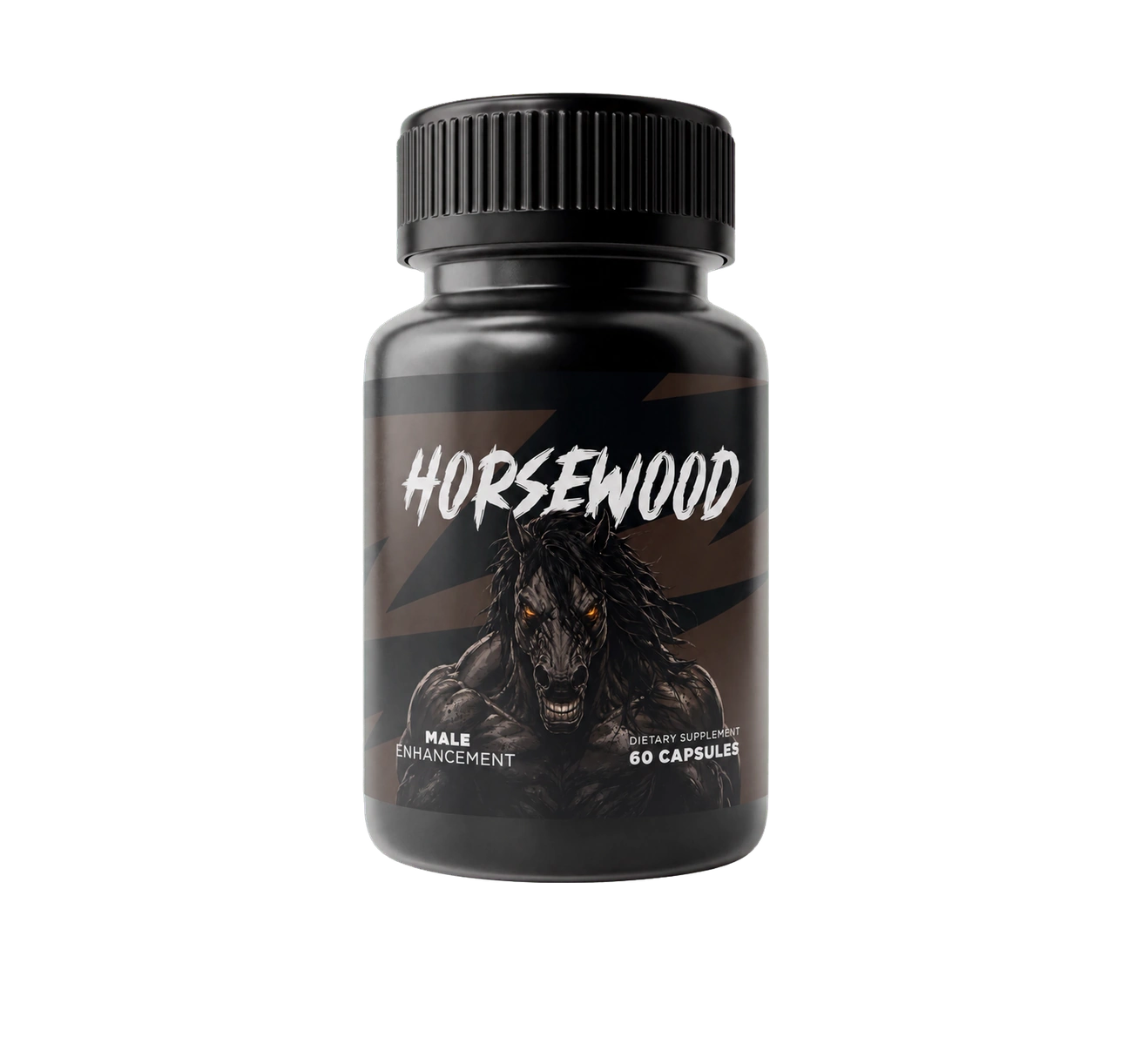
What to Look For in a Supplement Formula
Ten checks that separate a product worth considering from one worth skipping.
The Label Checks Worth Making Before Buying Horsewood or Anything Else
Roughly in order of how much each one tells you.
1. Are individual amounts published? The most important check by a distance. A proprietary blend makes evaluation impossible by design — but so, in practice, does an ingredient list with no amounts at all, which is a less-discussed version of the same problem.
2. How do those amounts compare to research? Look up one or two ingredients you actually care about. This is where most products fall down.
3. How many ingredients are there? More is generally worse. Capsule volume is finite, and a long list spreads the same weight thinner.
4. Is the plant part specified? Root, leaf, berry and bark carry different research entirely.
5. Is there a standardisation? For botanicals this is often more informative than weight — rosavins, bacosides, withanolides, catechins.
6. What form are the minerals in, and how much elemental mineral does that represent?
The Seller Checks Worth Making Beyond a Horsewood Label
7. Are certification claims stated accurately? "FDA approved" is a red flag on any supplement, because no supplement is FDA approved. "Manufactured in an FDA-registered facility" is accurate but means only that the facility is on a list. "GMP certified" should have a certifying body behind it.
8. Can any rating be traced to a platform? If individual reviews cannot be read and counted somewhere independent, an average is decoration. An "editor rating" on a page that earns commission is not independent.
9. What exactly are the refund terms? Length, whether opened product is accepted, who pays return postage, and from what date the window runs.
10. Is there a subscription? Negative-option billing is common in this category, and a clearly stated one-time purchase is worth something.
Red Flags That Should Slow a Horsewood-Style Purchase Down
None of these proves a product is bad. All of them are reasons to look harder.
- Countdown timers and stock counters that reset when you reload the page.
- "FDA approved" on a supplement. Not a thing that exists.
- A transparency claim with no numbers behind it. Advertising "named doses" while publishing no doses is a specific and increasingly common version of this.
- Ratings with no platform and no review count.
- Struck-through "regular prices" that are never actually charged — and especially ones that contradict each other across the same page.
- Bonus valuations attached to digital PDFs that are not sold anywhere at that price.
- Guarantee windows shorter than the recommended trial period.
What Good Looks Like in a Horsewood Alternative
To end constructively, since the list above is mostly negative.
A supplement worth considering publishes every amount, specifies plant parts and standardisations, keeps its ingredient list short enough that those amounts can be meaningful, states plainly what it does not do, offers refund terms you could realistically use, and does not need urgency devices to close the sale.
Very few products meet all of that. But the checklist is quick to apply, and applying it to two or three candidates will usually make the choice obvious.
How to read the research described on this Horsewood page
The studies referred to here examined individual ingredients on their own, at the amounts the researchers chose — typically hundreds of milligrams a day, and for maca and spirulina, grams.
That research explains why an ingredient is of interest. It does not show that Horsewood reproduces those results. No clinical trial of this finished formula has been published, and because the seller publishes no amount for any ingredient, the comparison cannot be completed from the outside. Nothing on this site estimates the missing figures.
More Horsewood Articles
Considering Horsewood?
Read the ingredients page first. Thirteen sensible ingredients are named, and not one of them is dosed — understanding that distinction is the most useful thing you can do before spending anything.
From $49 per bottle · 60-day money-back guarantee · No subscription or rebills