Supporting a Balanced Daily Routine
If a supplement is the smallest lever available, these are the largest ones.
The Sleep Factor Behind Every Horsewood Claim
Sleep belongs first, because it affects everything else on this page and because it is the factor people are most willing to sacrifice.
Sleep governs recovery, appetite regulation, insulin sensitivity, mood, stress tolerance and cognitive performance simultaneously. Controlled sleep-restriction studies show measurable declines in glucose handling, mood and concentration within days.
The practical levers are unglamorous: a consistent wake time, morning daylight, no caffeine after early afternoon, a cool dark room, and screens down earlier than feels natural. None of them costs anything.
Sleep apnoea deserves specific mention because it is common, substantially underdiagnosed and highly treatable. Loud snoring with daytime exhaustion is worth raising with a doctor rather than supplementing around.
Movement, Food and Stress Alongside a Horsewood Routine
Movement improves energy, mood and sleep quality at once, which makes it the highest-return single habit after sleep. The threshold is lower than people assume — regular walking counts, and two or three resistance sessions a week does a great deal.
Food matters mostly through adequacy rather than optimisation: enough protein, enough vegetables, enough iron and B12 if your diet restricts them. Most persistent fatigue traced to diet is a shortfall of something specific rather than a general failure to eat well.
Stress is where adaptogen products aim, and it is worth being clear about the hierarchy. Reducing the actual stressors does more than improving your resilience to them. Where the stressors cannot be reduced, resilience genuinely matters — which is the legitimate case for this whole product category.
The Screening Most People Skip Before Trying Horsewood
The most useful section here, and the one no sales page contains.
Persistent fatigue, poor concentration and feeling worn down are the exact symptoms that send people to supplement pages, and they are also the symptoms most likely to have a diagnosable, treatable cause.
Iron deficiency and anaemia are common, particularly in menstruating women and people with restricted diets, and produce exactly this picture. Hypothyroidism is common and easily missed. Vitamin B12 deficiency is common in vegans and older adults. Sleep apnoea, depression and diabetes all present this way.
Every one of those is identifiable through a straightforward blood test or assessment, and every one has real treatment. A blood panel costs less than a six-bottle supplement order and answers a question the supplement cannot.
When to see a doctor rather than buy Horsewood
Low energy, poor focus and feeling worn down are exactly the symptoms most likely to send someone to a supplement page, and they are also the symptoms most likely to have a diagnosable cause.
Persistent fatigue can reflect iron deficiency or anaemia, an underactive thyroid, sleep apnoea, depression, diabetes or vitamin B12 deficiency. Every one of those is identifiable with a straightforward blood test or assessment, and every one is treatable. A blood panel costs less than a six-bottle order.
New or worsening difficulty concentrating, especially with mood change or sleep disruption, is worth discussing rather than supplementing around.
Chronic stress that is not resolving is a health issue in its own right. Adaptogens are not a substitute for addressing it.
To the reference's credit, it says something similar: it tells readers to check with a doctor and states that the product supports everyday wellness rather than treating any condition. That is the right advice and it is repeated here.
Where a Horsewood Capsule Actually Fits
Last, deliberately, and that placement is the honest one.
Think of a routine as a stack. At the bottom, doing most of the work: sleep, movement, adequate food, managing stressors, and medical screening when something is genuinely wrong. In the middle: consistency, structure, social connection. At the top, doing the least: supplements.
That ordering is not a criticism of supplements. It is what makes a modest one reasonable — a small addition on a solid base is a sensible purchase, while a small addition standing in for a missing base is money spent avoiding the harder work.
The seller of Horsewood says something close to this itself, which is to its credit. This site simply puts the weighting in plain numbers.
What Horsewood cannot do on its own
The reference is unusually candid about this, and the point deserves repeating rather than softening: "It will not replace sleep, food and movement."
Sleep is the largest single determinant of daytime energy, focus and stress tolerance, and no capsule compensates for five hours a night. Regular movement improves energy, mood and sleep quality at the same time. A protein-forward diet with enough real food supplies the nutrients a multivitamin is trying to approximate. Managing the actual stressors does more than improving your resilience to them. And caffeine timing — not drinking coffee after early afternoon — is free and often fixes the exact afternoon slump these products are sold against.
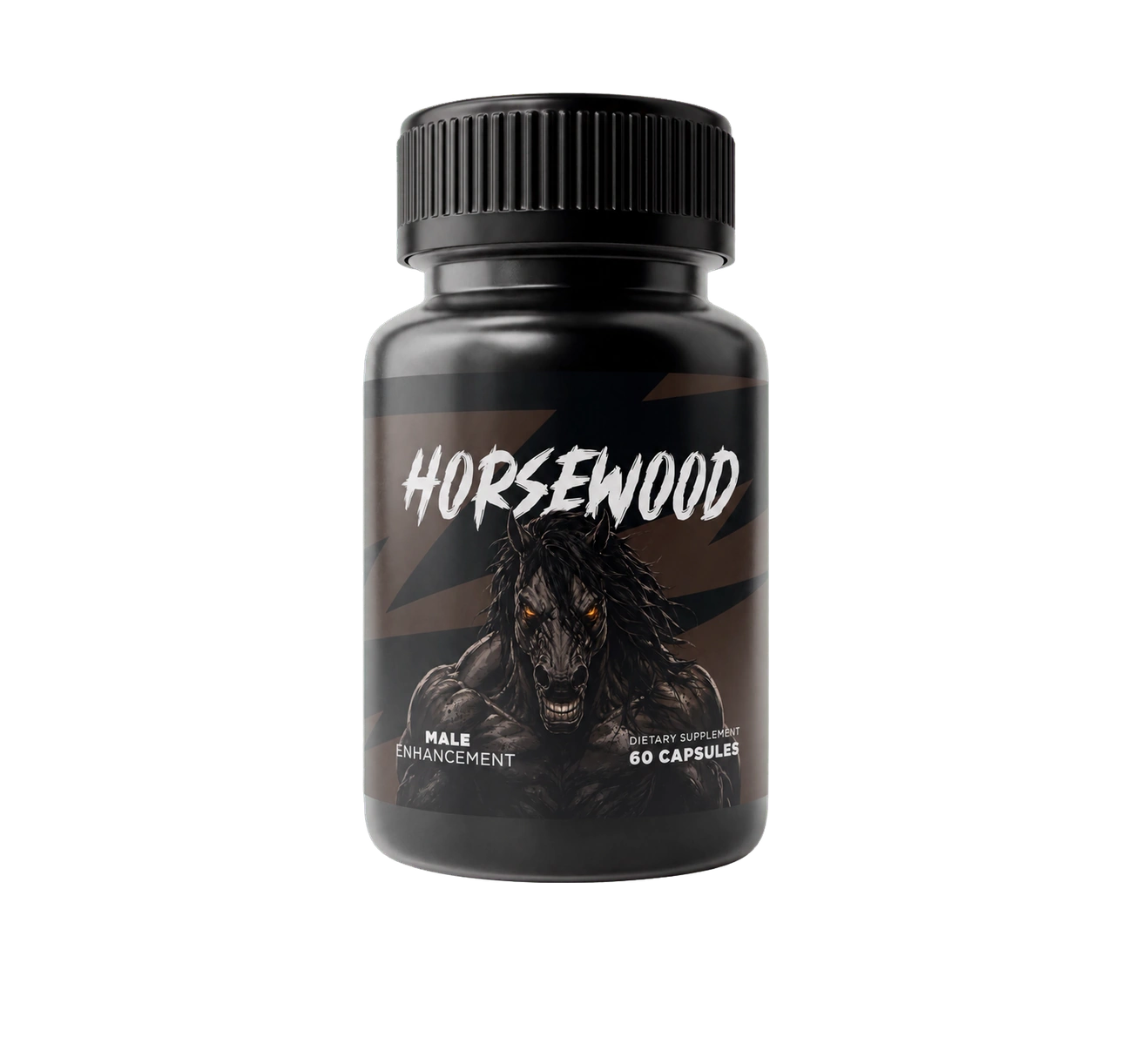
Horsewood is positioned to make a good routine slightly easier to sustain. That is a modest and defensible claim. It is not a substitute for the routine.
More Horsewood Articles
Considering Horsewood?
Read the ingredients page first. Thirteen sensible ingredients are named, and not one of them is dosed — understanding that distinction is the most useful thing you can do before spending anything.
From $49 per bottle · 60-day money-back guarantee · No subscription or rebills