Common Questions About Daily Supplements
The practical questions people actually have, answered without a sales pitch.
Timing and Food Questions for a Horsewood Routine
Does time of day matter? Sometimes. Anything activating — rhodiola, green tea extract, caffeine — is generally taken in the morning to avoid disturbing sleep. Anything calming is often taken in the evening. For most nutrients it matters less than consistency.
With or without food? With food is the safer default. Fat-soluble vitamins need dietary fat. Several botanicals, bacopa among them, cause less digestive upset with a meal. And concentrated green tea extract is generally advised to be taken with food rather than on an empty stomach.
Does it matter if I miss a day? For a cumulative formula, one missed day is negligible. Two consecutive misses is where the habit itself starts to break, which matters more than the pharmacology.
Can I take a double dose to catch up? No, and reputable sellers say so — there is no benefit and some ingredients have upper limits.
Stacking and Interaction Questions Around Horsewood
Can I take this with my multivitamin? Check for overlap first, especially with minerals that have upper limits. Zinc's limit is 40 mg a day from all sources; supplemental magnesium's is 350 mg. If either product does not publish amounts, you cannot do this check, which is a practical argument for products that do.
What about my medication? Tell your doctor and pharmacist everything you take, not just prescriptions. Common interactions worth flagging: ginkgo and other polyphenols with anticoagulants; ashwagandha with thyroid medication; St John's wort with a long list of drugs; and anything immune-active if you take immunosuppressants.
Should I stop before surgery? Yes — standard advice is to stop supplements a week or two beforehand, particularly anything with potential bleeding effects.
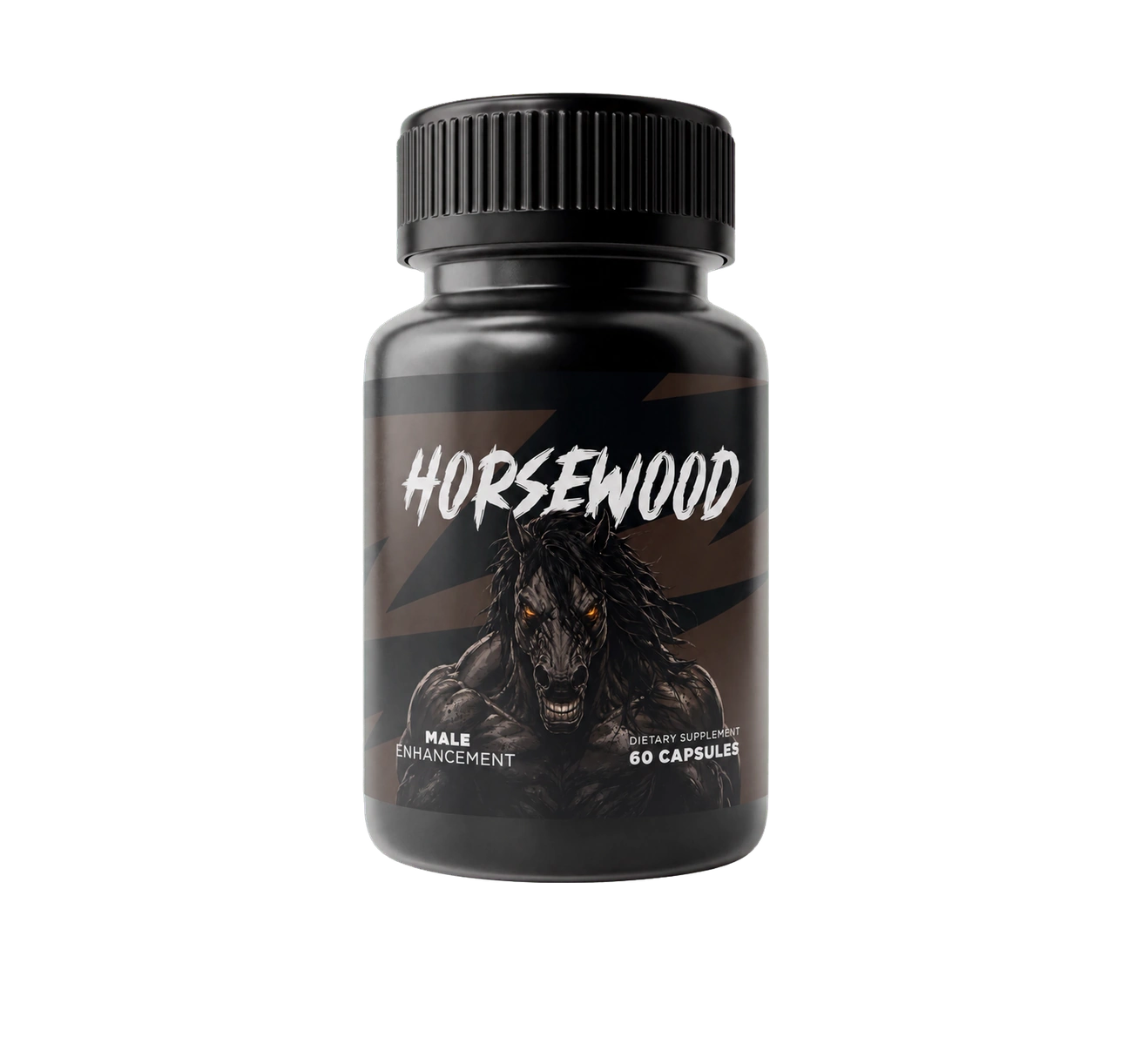
Horsewood safety and sensible precautions
The reference's own guidance is sound and is repeated here, with a few ingredient specifics added that it does not mention.
- Do not use if pregnant, nursing or under 18. The seller states this directly.
- Show the label to your doctor if you take prescription medication or manage a diagnosed condition — the seller's own advice, and it specifically says show the label rather than a summary of it.
- Ginkgo and bleeding risk. Ginkgo has documented interactions with anticoagulants and antiplatelet drugs, and is normally stopped before surgery. This is the most clinically significant interaction in the formula.
- Green tea extract and the liver. Concentrated green tea extracts have been associated with rare liver injury, which is why several regulators have looked at them. The amount here is not published.
- Thyroid medication. Ashwagandha may increase thyroid hormone levels, which matters if you take levothyroxine or manage a thyroid condition.
- Zinc. If you already take a multivitamin or a separate zinc supplement, you cannot check for overlap here, because the amount is not published. The adult upper limit is 40 mg a day from all sources.
- Autoimmune conditions. Echinacea is traditionally cautioned against in autoimmune disease because of its immune-stimulating framing; discuss it with your doctor.
- Caffeine. The seller states the only caffeine is the small natural amount in green tea extract, which is far below a cup of coffee.
Horsewood is a dietary supplement, not a medicine, and it is not intended to diagnose, treat, cure or prevent any disease.
Expectation Questions About Horsewood-Style Products
How long before I know if it works? Match the timescale to the mechanism. Stimulants: hours. Deficiency correction: days to weeks. Adaptogens and most botanicals: 8 to 12 weeks. Structural change: months.
How do I tell it apart from placebo? Honestly, for subjective outcomes, often you cannot — and the placebo effect on energy and mood is real and measurable. The practical approach is to change one thing at a time, decide your measures in advance, and prefer objective ones where possible: hours slept, sessions completed, weights lifted.
Is it worth continuing if nothing happened? Generally no. Concluding that something did nothing is a valid, common and useful result, and it is exactly what a refund window is for. Continuing out of sunk cost is the error.
Value Questions Worth Asking About Horsewood
How do I compare two products on price? Cost per day, not price per bottle. Divide the total by the number of days it lasts, which requires knowing capsules per bottle and capsules per day.
Is a bigger package better value? Per bottle, usually yes. But it is only better value if you finish it, and committing to six months of something you have not tried carries real risk — particularly when a guarantee covers only the first two months.
Are bonuses worth factoring in? Almost never. Stated values on digital guides are marketing figures, not market prices. Choose the package size that suits your trial period, not the one that unlocks PDFs.
More Horsewood Articles
Considering Horsewood?
Read the ingredients page first. Thirteen sensible ingredients are named, and not one of them is dosed — understanding that distinction is the most useful thing you can do before spending anything.
From $49 per bottle · 60-day money-back guarantee · No subscription or rebills