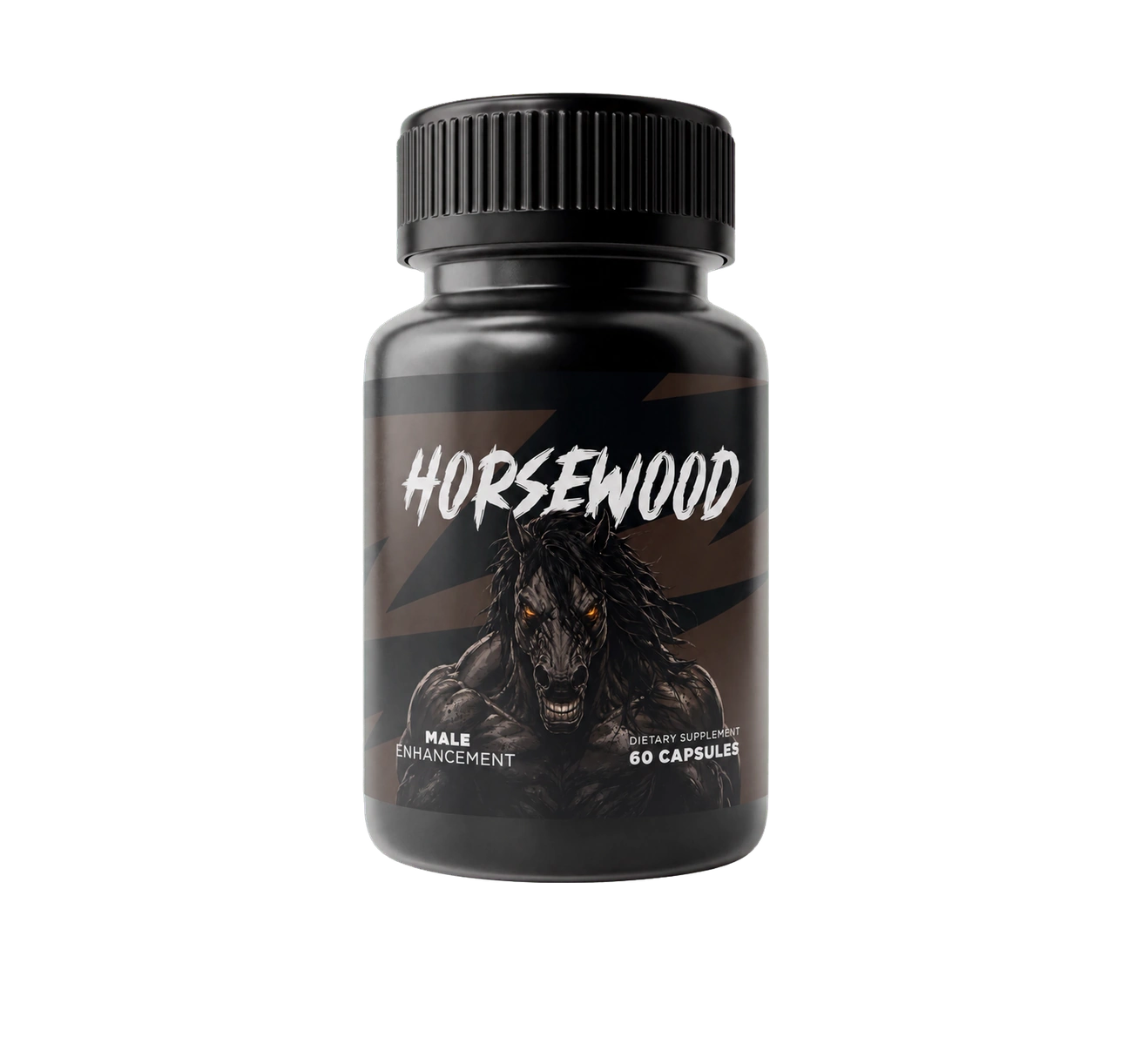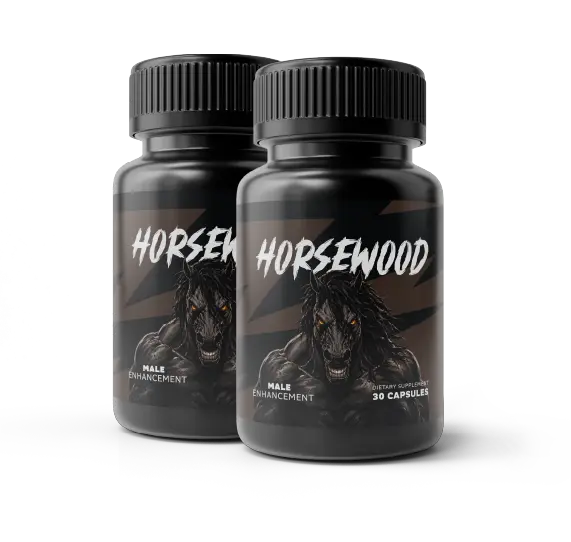
Two Bottles
60-day supply
$79per bottle
$358 → $158 total
Seller states a saving of $200
- 2 bottles of Horsewood
- No shipping term published
- Bonuses not included at this tier
- 60-day money-back guarantee
The four fronts the seller describes — stress, energy, focus and immunity — explained accurately, followed by the one thing that determines whether any of it can happen.
The premise is more coherent than most in this category, and it is worth stating fairly before examining it.
Rather than stimulating you, the formula is built around adaptogens — herbs proposed to help the body respond to stress more evenly. The argument is that a great deal of everyday energy is not missing but rather spent absorbing stress, and that steadying the stress response leaves more available for everything else.
Around that sit three supporting layers: minerals involved in energy metabolism, botanicals associated with focus, and an antioxidant and immune group.
This is a reasonable way to build a daily formula, and the seller deserves credit for framing it as support rather than transformation. What follows is what the individual ingredients can and cannot be expected to do — and why the missing amounts make that question impossible to answer completely.
Plus the fifth thing that decides whether any of them matter.
Ashwagandha and rhodiola are the two adaptogens in the formula, and they are the two with the most human research behind them.
Ashwagandha has a reasonable body of randomised trials examining perceived stress and cortisol, generally using 300–600 mg a day of a root extract. Rhodiola has been studied more specifically for fatigue, typically at 200–600 mg. Both are legitimate choices; neither amount is published here.
Magnesium and zinc are the two essential minerals, and this is the most solid nutritional claim on the page: magnesium genuinely is required as a cofactor in ATP-dependent reactions, and zinc genuinely is involved in enzyme function and immunity.
The important qualification is that correcting a shortfall helps, while adding more on top of an adequate intake generally does not. Magnesium intakes are often below recommendations, so this is a sensible inclusion — if the amount is meaningful, which is not published.
Bacopa monnieri and ginkgo biloba are the focus botanicals.
Bacopa has genuine memory research behind it, with one caveat the marketing rarely mentions: the trials that found effects generally ran about twelve weeks. Ginkgo is among the most-studied botanicals in existence, and its results across large trials have been decidedly mixed.
Green tea, turmeric and grape seed provide the polyphenol layer; elderberry and echinacea the immune one.
"Antioxidant" describes a property measured in a laboratory, and it does not automatically translate into a health outcome — several large antioxidant trials in other fields have disappointed. Elderberry has the strongest immune evidence of the group, though for shortening cold symptoms rather than for daily prevention.
The seller's strongest argument, and it is a behavioural one rather than a biochemical one: one capsule a day is the easiest routine to keep, and adherence is the variable that decides outcomes.
It also gives sound advice that most sales pages avoid — take it at the same time daily, do not double up, pair it with sleep, protein and movement, and judge it over 60 to 90 days rather than a week. That is genuinely good guidance.
Everything above describes what the ingredients are for. This is about how much of them you get.
This is the single most important thing to understand about the product, and it is awkward because the seller makes the opposite claim its headline selling point.
Its own words: "No Proprietary-Blend Games". "Named Doses, Not a Blend Fog". Thirteen ingredients "you can look up individually — not a fog of complexes with undisclosed amounts". "Each named, none hidden."
Yet no milligram figure is published for any of the thirteen. Not on the homepage, not in the ingredients section, not in the FAQ. The ingredients are named. They are not dosed. Those are different things, and only one of them lets you evaluate a formula.
To be fair, avoiding a proprietary blend is genuinely better than hiding ingredients inside one, and naming all thirteen is more than many competitors do. But a named ingredient with no amount attached tells you what is in the bottle without telling you whether there is enough of it to matter.
Why this matters arithmetically. A standard capsule holds roughly 500–800 mg of material in total. The studied amounts above, added together, come to several grams a day. Thirteen ingredients cannot all appear at their researched amounts inside one capsule — there is not physically room. That is not an accusation about this product; it is true of every thirteen-ingredient single-capsule formula, and it is exactly why the amounts should be published.
The one question worth asking the seller before you buy is for the milligram amount of each ingredient per capsule. Given that dose transparency is their headline claim, it is a fair question, and the answer would be a single line.
The word gets used loosely, so it is worth being precise about what it does and does not denote.
The original definition comes from mid-twentieth-century Soviet research: a substance that is non-toxic, produces a non-specific increase in resistance to stressors, and has a normalising effect regardless of the direction of the change. It is a pharmacological category proposed by researchers, not a regulatory one.
What that means in practice: adaptogen claims are about resilience to stress rather than about stimulation, which is why the reference is right to distinguish its formula from a caffeine hit. That distinction is real and is one of the more honest parts of the sales page.
What it does not mean: that any herb labelled an adaptogen has been shown to work. The evidence varies enormously between them. Ashwagandha has a reasonable body of human trials for stress and sleep; rhodiola has decent fatigue research; several other herbs marketed as adaptogens have very little. The individual ingredient pages on this site say which is which rather than treating the category label as evidence.
The studies referred to here examined individual ingredients on their own, at the amounts the researchers chose — typically hundreds of milligrams a day, and for maca and spirulina, grams.
That research explains why an ingredient is of interest. It does not show that Horsewood reproduces those results. No clinical trial of this finished formula has been published, and because the seller publishes no amount for any ingredient, the comparison cannot be completed from the outside. Nothing on this site estimates the missing figures.
The reference's own guidance is sound and is repeated here, with a few ingredient specifics added that it does not mention.
Horsewood is a dietary supplement, not a medicine, and it is not intended to diagnose, treat, cure or prevent any disease.
The reference is unusually candid about this, and the point deserves repeating rather than softening: "It will not replace sleep, food and movement."
Sleep is the largest single determinant of daytime energy, focus and stress tolerance, and no capsule compensates for five hours a night. Regular movement improves energy, mood and sleep quality at the same time. A protein-forward diet with enough real food supplies the nutrients a multivitamin is trying to approximate. Managing the actual stressors does more than improving your resilience to them. And caffeine timing — not drinking coffee after early afternoon — is free and often fixes the exact afternoon slump these products are sold against.
Horsewood is positioned to make a good routine slightly easier to sustain. That is a modest and defensible claim. It is not a substitute for the routine.
The three packages the seller currently lists. Every figure below is theirs, and unusually for this category, all of the arithmetic checks out.
$358 → $158 total
Seller states a saving of $200
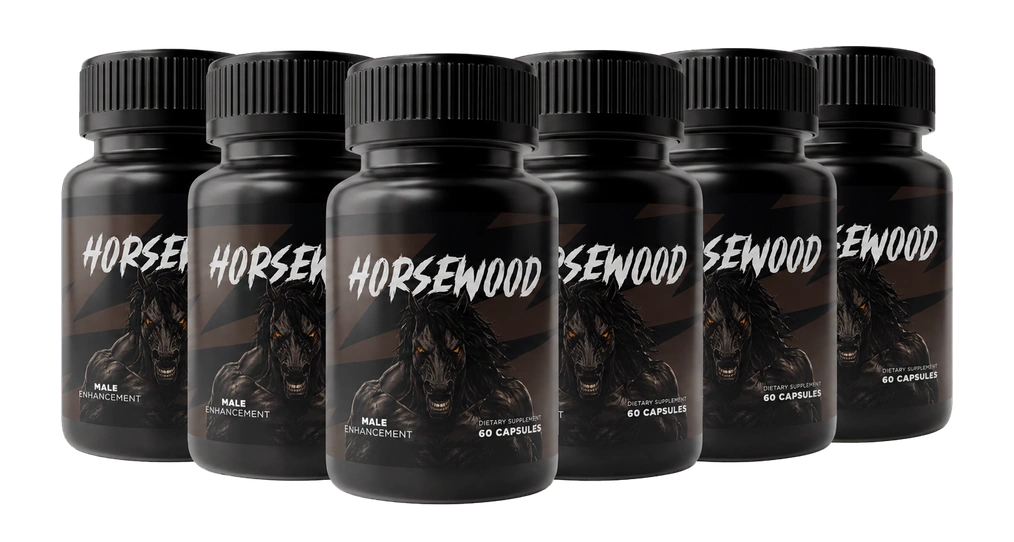
$1074 → $294 total
Seller states a saving of $780
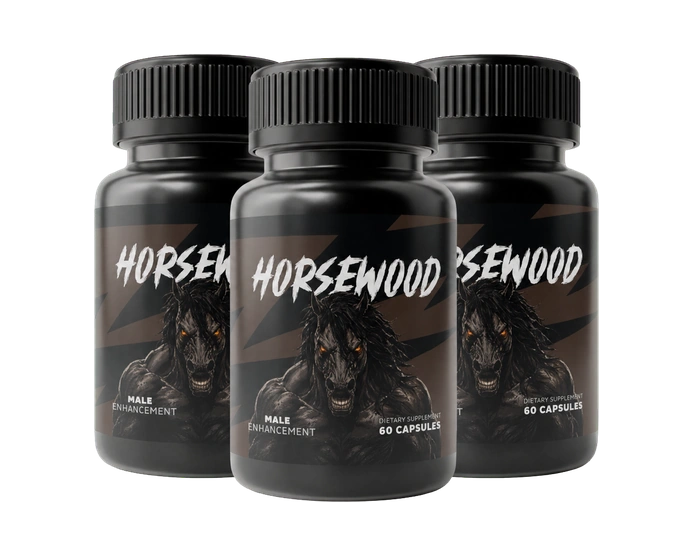
$537 → $207 total
Seller states a saving of $330
Arithmetic verified. $79×2=$158, $69×3=$207 and $49×6=$294, and each stated saving matches its struck-through price exactly ($358−$158=$200, $537−$207=$330, $1074−$294=$780). Those struck prices all imply a regular price of $179 a bottle. Note that the seller’s closing panel says “Regular Price: $158 / bottle”, which does not match — $158 is the two-bottle total, not a per-bottle price. These are current listed offers rather than permanent prices; the official checkout is the only authoritative source.

The seller states a 60-day, 100% money-back guarantee running from the date of purchase, with no subscription, no automatic renewals and no rebills — a one-time payment for what is in your cart.
The seller says the formula should be judged over 60 to 90 days of consistent use, because adaptogen effects build gradually. That is an honest statement, and it makes the 60-day window the minimum that could be considered fair.
It is also worth noticing the tension: if the product is best judged at 90 days, the guarantee expires 30 days before that point. On the six-bottle package especially, diarise day 60 rather than waiting to see how the full six months goes.
Two things the published terms do not address: who pays return postage, and whether opened or empty bottles can be returned. Both are worth confirming with support before ordering.
The no-subscription commitment is genuinely worth having in a category where negative-option billing is common. Keep your order confirmation and note your deadline.
Read the ingredients page first. Thirteen sensible ingredients are named, and not one of them is dosed — understanding that distinction is the most useful thing you can do before spending anything.
From $49 per bottle · 60-day money-back guarantee · No subscription or rebills