Ashwagandha
Withania somnifera Amount not publishedThe best-evidenced adaptogen in the formula, and the one the reference builds its whole stress-resilience case on.
Full pageAll thirteen ingredients the seller names, grouped as the formula presents them, each with a full page — and an honest account of the one thing that is missing from every one of them.
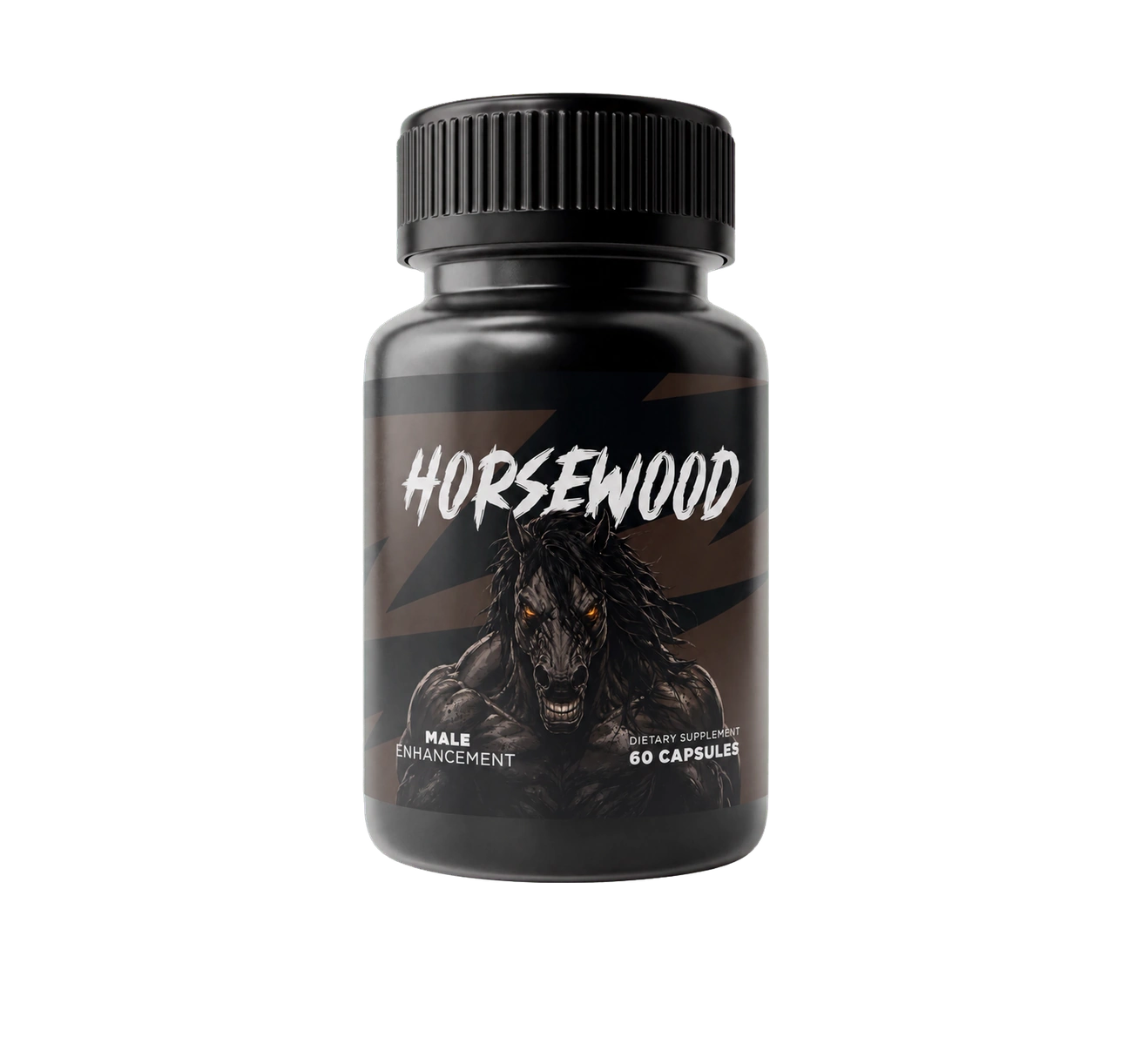
The seller presents the thirteen ingredients in functional groups rather than as a flat list, which genuinely helps a reader understand what each is there for.
What is genuinely good here: nothing is hidden inside a proprietary blend, and every ingredient can be researched individually.
What is missing: an amount for any of them.
Worth reading in full before you decide, because it is the crux of the product.
This is the single most important thing to understand about the product, and it is awkward because the seller makes the opposite claim its headline selling point.
Its own words: "No Proprietary-Blend Games". "Named Doses, Not a Blend Fog". Thirteen ingredients "you can look up individually — not a fog of complexes with undisclosed amounts". "Each named, none hidden."
Yet no milligram figure is published for any of the thirteen. Not on the homepage, not in the ingredients section, not in the FAQ. The ingredients are named. They are not dosed. Those are different things, and only one of them lets you evaluate a formula.
To be fair, avoiding a proprietary blend is genuinely better than hiding ingredients inside one, and naming all thirteen is more than many competitors do. But a named ingredient with no amount attached tells you what is in the bottle without telling you whether there is enough of it to matter.
Why this matters arithmetically. A standard capsule holds roughly 500–800 mg of material in total. The studied amounts above, added together, come to several grams a day. Thirteen ingredients cannot all appear at their researched amounts inside one capsule — there is not physically room. That is not an accusation about this product; it is true of every thirteen-ingredient single-capsule formula, and it is exactly why the amounts should be published.
The one question worth asking the seller before you buy is for the milligram amount of each ingredient per capsule. Given that dose transparency is their headline claim, it is a fair question, and the answer would be a single line.
The word gets used loosely, so it is worth being precise about what it does and does not denote.
The original definition comes from mid-twentieth-century Soviet research: a substance that is non-toxic, produces a non-specific increase in resistance to stressors, and has a normalising effect regardless of the direction of the change. It is a pharmacological category proposed by researchers, not a regulatory one.
What that means in practice: adaptogen claims are about resilience to stress rather than about stimulation, which is why the reference is right to distinguish its formula from a caffeine hit. That distinction is real and is one of the more honest parts of the sales page.
What it does not mean: that any herb labelled an adaptogen has been shown to work. The evidence varies enormously between them. Ashwagandha has a reasonable body of human trials for stress and sleep; rhodiola has decent fatigue research; several other herbs marketed as adaptogens have very little. The individual ingredient pages on this site say which is which rather than treating the category label as evidence.
Each with a full page covering what it is, what the research found, and what its inclusion means here.
The best-evidenced adaptogen in the formula, and the one the reference builds its whole stress-resilience case on.
Full pageAn arctic root studied specifically for fatigue rather than for stress in general — a narrower and more interesting claim.
Full pageGenuine memory research behind it, with one caveat the marketing never mentions: it takes about twelve weeks to do anything.
Full pageOne of the most-studied botanicals on earth, and the results are more mixed than its reputation suggests.
Full pageA Peruvian root food with real energy and libido research — conducted at gram-scale amounts, which matters here.
Full pageThe formula’s only source of caffeine, and the ingredient with the most important safety note attached.
Full pageEnormously researched, and hampered by an absorption problem that the reference does not mention.
Full pageA polyphenol extract whose better research concerns blood pressure rather than the antioxidant framing used here.
Full pageHas the strongest immune evidence of anything in the formula — for a use case this product is not sold for.
Full pageFamiliar, popular, and supported by evidence that large independent trials have repeatedly failed to confirm.
Full pageGenuinely nutrient-dense as a food — which is the problem when it appears inside a single small capsule.
Full pageA genuinely essential mineral where the amount decides everything, including whether it is safe to combine with your multivitamin.
Full pageWidely under-consumed, genuinely important for energy metabolism, and impossible to assess without a number and a form.
Full pageThe reference's own guidance is sound and is repeated here, with a few ingredient specifics added that it does not mention.
Horsewood is a dietary supplement, not a medicine, and it is not intended to diagnose, treat, cure or prevent any disease.
Low energy, poor focus and feeling worn down are exactly the symptoms most likely to send someone to a supplement page, and they are also the symptoms most likely to have a diagnosable cause.
Persistent fatigue can reflect iron deficiency or anaemia, an underactive thyroid, sleep apnoea, depression, diabetes or vitamin B12 deficiency. Every one of those is identifiable with a straightforward blood test or assessment, and every one is treatable. A blood panel costs less than a six-bottle order.
New or worsening difficulty concentrating, especially with mood change or sleep disruption, is worth discussing rather than supplementing around.
Chronic stress that is not resolving is a health issue in its own right. Adaptogens are not a substitute for addressing it.
To the reference's credit, it says something similar: it tells readers to check with a doctor and states that the product supports everyday wellness rather than treating any condition. That is the right advice and it is repeated here.
The three packages the seller currently lists. Every figure below is theirs, and unusually for this category, all of the arithmetic checks out.
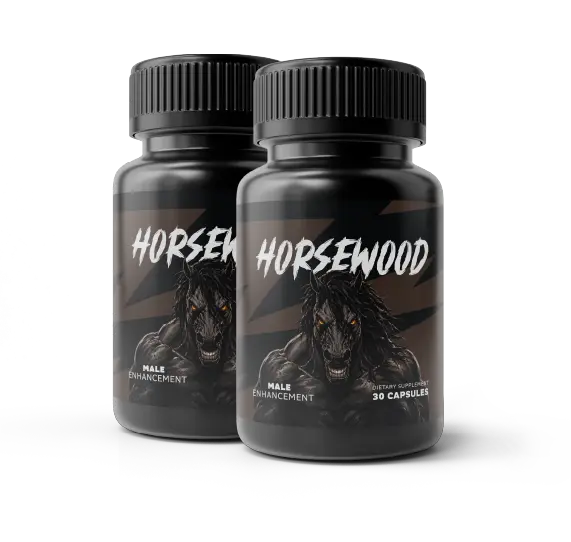
$358 → $158 total
Seller states a saving of $200
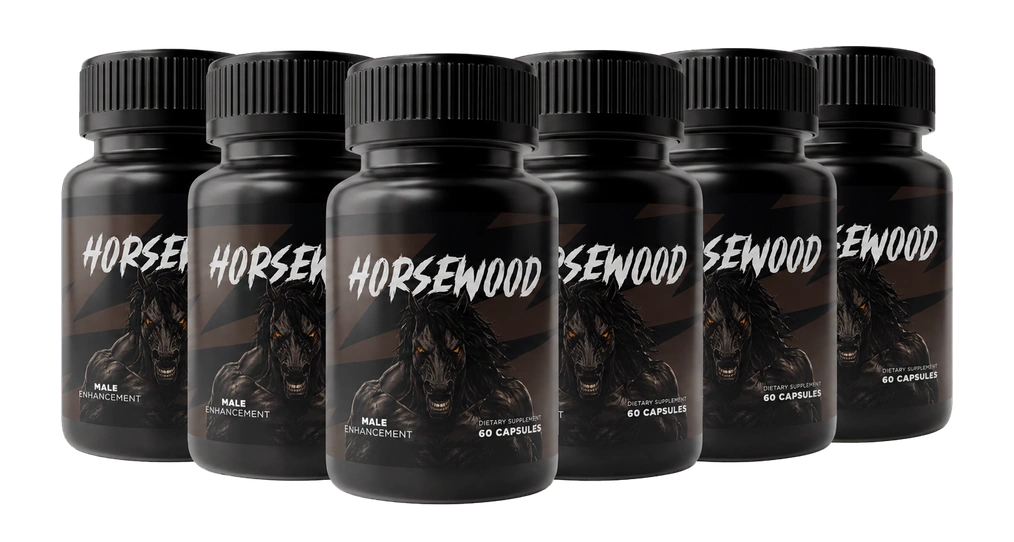
$1074 → $294 total
Seller states a saving of $780
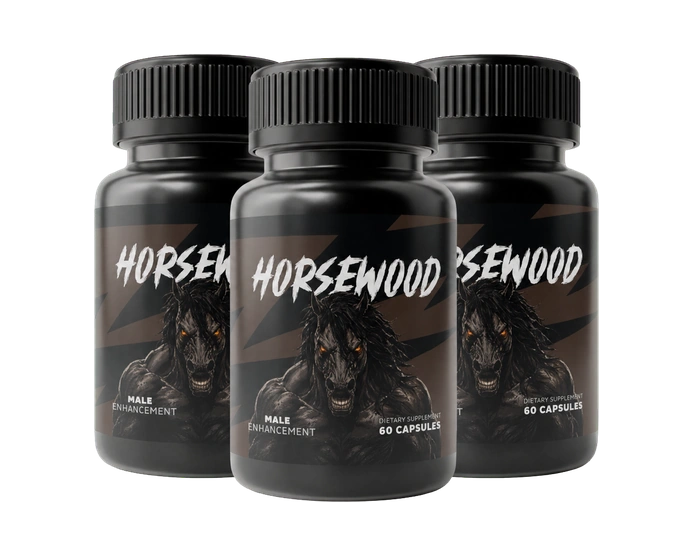
$537 → $207 total
Seller states a saving of $330
Arithmetic verified. $79×2=$158, $69×3=$207 and $49×6=$294, and each stated saving matches its struck-through price exactly ($358−$158=$200, $537−$207=$330, $1074−$294=$780). Those struck prices all imply a regular price of $179 a bottle. Note that the seller’s closing panel says “Regular Price: $158 / bottle”, which does not match — $158 is the two-bottle total, not a per-bottle price. These are current listed offers rather than permanent prices; the official checkout is the only authoritative source.

The seller states a 60-day, 100% money-back guarantee running from the date of purchase, with no subscription, no automatic renewals and no rebills — a one-time payment for what is in your cart.
The seller says the formula should be judged over 60 to 90 days of consistent use, because adaptogen effects build gradually. That is an honest statement, and it makes the 60-day window the minimum that could be considered fair.
It is also worth noticing the tension: if the product is best judged at 90 days, the guarantee expires 30 days before that point. On the six-bottle package especially, diarise day 60 rather than waiting to see how the full six months goes.
Two things the published terms do not address: who pays return postage, and whether opened or empty bottles can be returned. Both are worth confirming with support before ordering.
The no-subscription commitment is genuinely worth having in a category where negative-option billing is common. Keep your order confirmation and note your deadline.
Read the ingredients page first. Thirteen sensible ingredients are named, and not one of them is dosed — understanding that distinction is the most useful thing you can do before spending anything.
From $49 per bottle · 60-day money-back guarantee · No subscription or rebills