Ashwagandha
Withania somnifera Amount not publishedThe best-evidenced adaptogen in the formula, and the one the reference builds its whole stress-resilience case on.
Read moreThirteen detailed pages, one per ingredient — what each is, what the research actually found, how much the studies used, and what its inclusion here can and cannot mean.
Each page follows the same structure: what the ingredient is, what published research has found, what its presence in this formula means, and any safety points worth knowing.
Every page also states the amounts used in research, because that is the comparison the seller's own material makes impossible — it names all thirteen ingredients and publishes an amount for none of them.
Sorted honestly by the strength of the human evidence, the thirteen fall into tiers:
Strongest: ashwagandha, which has a genuine body of randomised trials for stress, and magnesium, whose role in energy metabolism is textbook nutrition rather than marketing.
Good, with a specific caveat: rhodiola for fatigue, bacopa for memory over roughly twelve weeks, and elderberry for cold symptoms — though that is a different use case from daily prevention.
Real but heavily qualified: zinc, where everything depends on an amount that is not published; maca and spirulina, both studied at gram-scale amounts that cannot fit in a thirteen-ingredient capsule; turmeric, hampered by curcumin's poor absorption; and grape seed, whose better evidence is about blood pressure rather than antioxidant cover.
Weakest: ginkgo, whose large trials have been largely negative, and echinacea, where well-controlled independent research has repeatedly failed to confirm the popular claim. Green tea sits apart — genuinely researched, but carrying the formula's most important safety note.
This is the single most important thing to understand about the product, and it is awkward because the seller makes the opposite claim its headline selling point.
Its own words: "No Proprietary-Blend Games". "Named Doses, Not a Blend Fog". Thirteen ingredients "you can look up individually — not a fog of complexes with undisclosed amounts". "Each named, none hidden."
Yet no milligram figure is published for any of the thirteen. Not on the homepage, not in the ingredients section, not in the FAQ. The ingredients are named. They are not dosed. Those are different things, and only one of them lets you evaluate a formula.
To be fair, avoiding a proprietary blend is genuinely better than hiding ingredients inside one, and naming all thirteen is more than many competitors do. But a named ingredient with no amount attached tells you what is in the bottle without telling you whether there is enough of it to matter.
Why this matters arithmetically. A standard capsule holds roughly 500–800 mg of material in total. The studied amounts above, added together, come to several grams a day. Thirteen ingredients cannot all appear at their researched amounts inside one capsule — there is not physically room. That is not an accusation about this product; it is true of every thirteen-ingredient single-capsule formula, and it is exactly why the amounts should be published.
The one question worth asking the seller before you buy is for the milligram amount of each ingredient per capsule. Given that dose transparency is their headline claim, it is a fair question, and the answer would be a single line.
Each with a link to its full page.
The best-evidenced adaptogen in the formula, and the one the reference builds its whole stress-resilience case on.
Read moreAn arctic root studied specifically for fatigue rather than for stress in general — a narrower and more interesting claim.
Read moreGenuine memory research behind it, with one caveat the marketing never mentions: it takes about twelve weeks to do anything.
Read moreOne of the most-studied botanicals on earth, and the results are more mixed than its reputation suggests.
Read moreA Peruvian root food with real energy and libido research — conducted at gram-scale amounts, which matters here.
Read moreThe formula’s only source of caffeine, and the ingredient with the most important safety note attached.
Read moreEnormously researched, and hampered by an absorption problem that the reference does not mention.
Read moreA polyphenol extract whose better research concerns blood pressure rather than the antioxidant framing used here.
Read moreHas the strongest immune evidence of anything in the formula — for a use case this product is not sold for.
Read moreFamiliar, popular, and supported by evidence that large independent trials have repeatedly failed to confirm.
Read moreGenuinely nutrient-dense as a food — which is the problem when it appears inside a single small capsule.
Read moreA genuinely essential mineral where the amount decides everything, including whether it is safe to combine with your multivitamin.
Read moreWidely under-consumed, genuinely important for energy metabolism, and impossible to assess without a number and a form.
Read moreA named ingredient list is a real improvement on a proprietary blend, and the seller deserves credit for providing one.
But naming is not dosing. The research summarised across these thirteen pages used specific amounts — 300 to 600 mg of ashwagandha, 300 mg of bacopa, 120 to 240 mg of ginkgo, one to three grams of maca. Added together, the studied amounts run to several grams a day, and a capsule holds a fraction of that.
That arithmetic is why the missing numbers matter more here than they would in a three-ingredient formula.
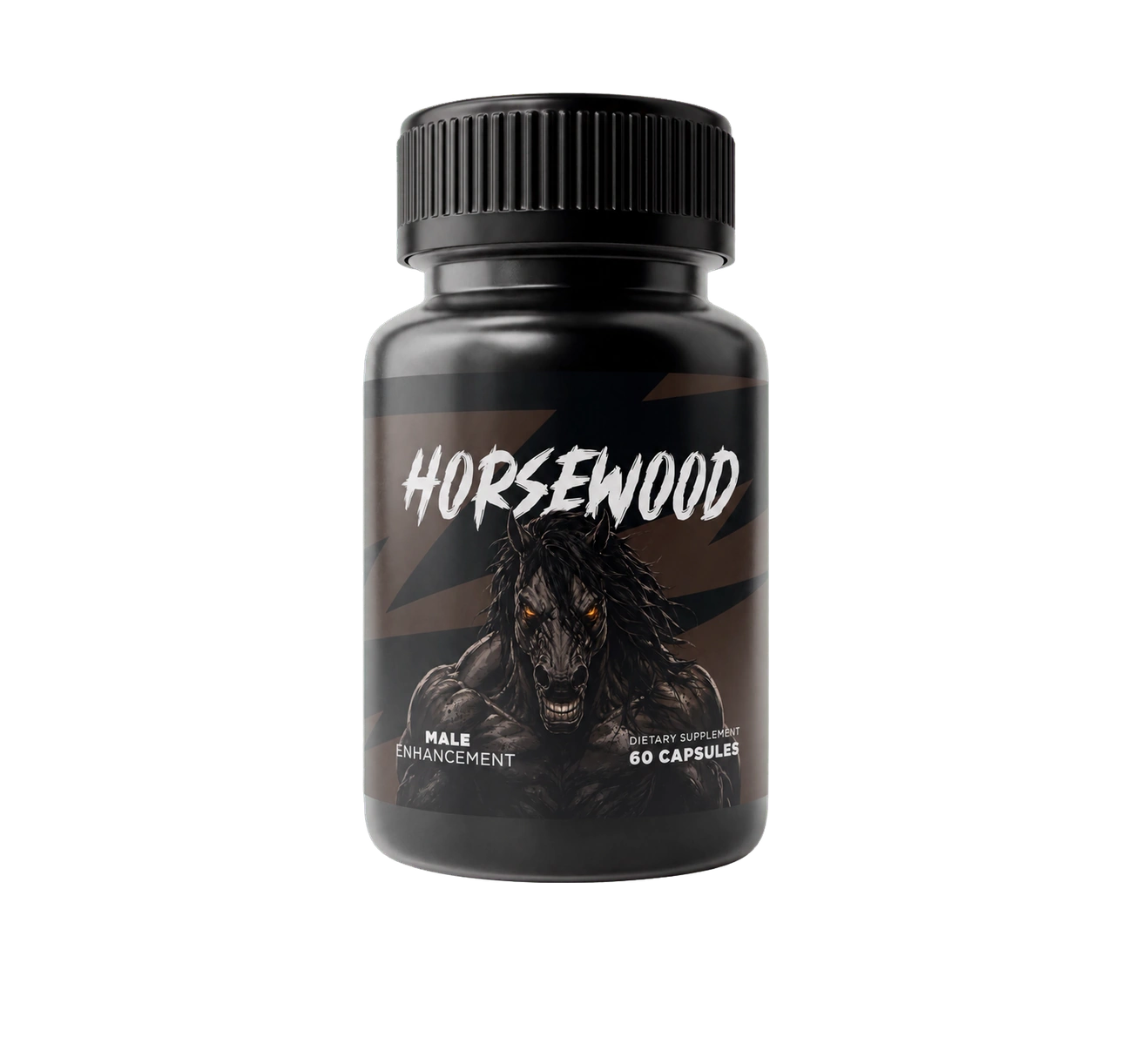

The seller states a 60-day, 100% money-back guarantee running from the date of purchase, with no subscription, no automatic renewals and no rebills — a one-time payment for what is in your cart.
The seller says the formula should be judged over 60 to 90 days of consistent use, because adaptogen effects build gradually. That is an honest statement, and it makes the 60-day window the minimum that could be considered fair.
It is also worth noticing the tension: if the product is best judged at 90 days, the guarantee expires 30 days before that point. On the six-bottle package especially, diarise day 60 rather than waiting to see how the full six months goes.
Two things the published terms do not address: who pays return postage, and whether opened or empty bottles can be returned. Both are worth confirming with support before ordering.
The no-subscription commitment is genuinely worth having in a category where negative-option billing is common. Keep your order confirmation and note your deadline.
Read the ingredients page first. Thirteen sensible ingredients are named, and not one of them is dosed — understanding that distinction is the most useful thing you can do before spending anything.
From $49 per bottle · 60-day money-back guarantee · No subscription or rebills