Ashwagandha
The best-evidenced ingredient in the formula, and the one the seller's whole stress-resilience case rests on.
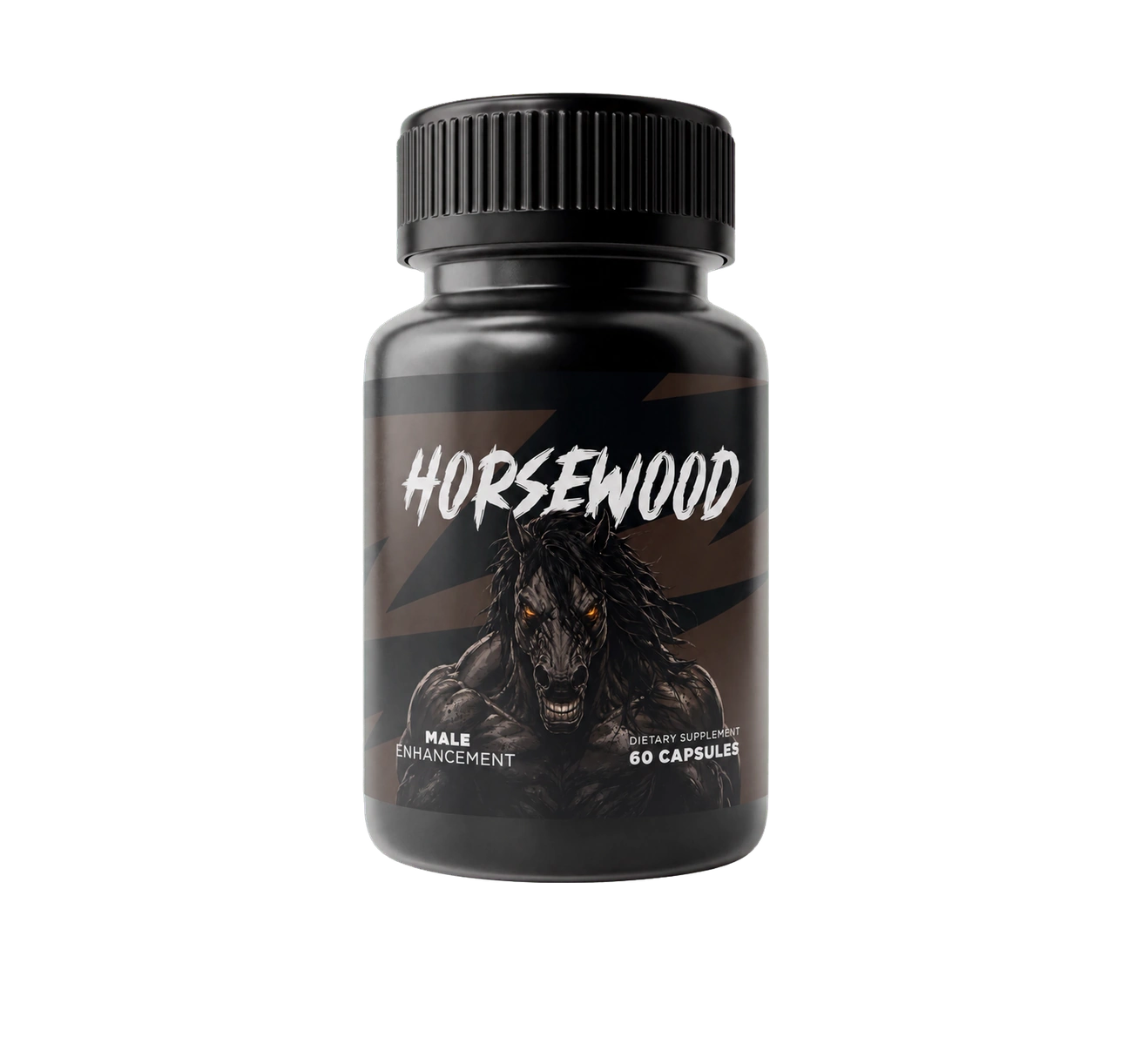
Ashwagandha in the Horsewood Formula
Withania somnifera — amount per capsule not published.
In one line: A genuinely well-researched adaptogen, studied at 300-600 mg a day — an amount this label does not confirm.
The best-evidenced adaptogen in the formula, and the one the reference builds its whole stress-resilience case on.
What Ashwagandha Is, Before the Horsewood Framing
Ashwagandha (Withania somnifera) is a shrub used in Ayurvedic medicine for centuries, where the root is the traditionally used part. Its name translates roughly as "smell of the horse", a reference to the root's odour.
Its characteristic compounds are withanolides, a group of steroidal lactones, and research-grade extracts are normally standardised to a withanolide percentage. Some well-known commercial extracts have specific names and specifications.
Of everything marketed as an adaptogen, this is the one with the most credible modern human research.
What the Ashwagandha Research Behind Horsewood Found
A genuinely reasonable body of randomised controlled trials, which distinguishes it sharply from most botanicals in this category.
Stress and anxiety. Multiple randomised trials have examined perceived stress scales and anxiety scores in stressed but otherwise healthy adults, with several reporting meaningful improvements. Systematic reviews have generally been cautiously positive while noting that many trials are small and some are industry-funded.
Cortisol. Several trials have measured serum cortisol and found reductions, which provides a plausible biological correlate for the subjective findings.
Sleep. There is research on sleep quality, and the species name somnifera means sleep-inducing, reflecting its traditional use.
Amounts used: most trials use 300–600 mg a day of a standardised root extract, typically over 8 to 12 weeks.
What Ashwagandha's Inclusion Means in Horsewood
Leading with ashwagandha is the right call. If you were choosing one botanical for a stress-support formula on the evidence, this would be it.
Two things are not published: the amount, and the withanolide standardisation. For this ingredient the second matters nearly as much as the first, since extracts vary considerably in concentration and the trials used specified material.
Worth noting that ashwagandha at 300–600 mg is a substantial share of what a single capsule can hold. In a formula with twelve other ingredients, something has to give — and without published numbers there is no way to know what.
Ashwagandha Safety in Horsewood
Generally well tolerated in trials, with several points worth raising with a doctor.
- Thyroid. Ashwagandha may increase thyroid hormone levels. Relevant if you take levothyroxine or manage a thyroid condition.
- Liver. There have been case reports of liver injury associated with ashwagandha supplements, prompting regulatory attention in some countries. Rare, but worth knowing.
- Autoimmune conditions and immunosuppressants. Discuss with your doctor, as ashwagandha may affect immune activity.
- Pregnancy. Not recommended; the seller states the product should not be used if pregnant or nursing.
- Sedatives. Effects may add together given its traditional use for sleep.
What “adaptogen” actually means in Horsewood’s formula
The word gets used loosely, so it is worth being precise about what it does and does not denote.
The original definition comes from mid-twentieth-century Soviet research: a substance that is non-toxic, produces a non-specific increase in resistance to stressors, and has a normalising effect regardless of the direction of the change. It is a pharmacological category proposed by researchers, not a regulatory one.
What that means in practice: adaptogen claims are about resilience to stress rather than about stimulation, which is why the reference is right to distinguish its formula from a caffeine hit. That distinction is real and is one of the more honest parts of the sales page.
What it does not mean: that any herb labelled an adaptogen has been shown to work. The evidence varies enormously between them. Ashwagandha has a reasonable body of human trials for stress and sleep; rhodiola has decent fatigue research; several other herbs marketed as adaptogens have very little. The individual ingredient pages on this site say which is which rather than treating the category label as evidence.
How to read the research described on this Horsewood page
The studies referred to here examined individual ingredients on their own, at the amounts the researchers chose — typically hundreds of milligrams a day, and for maca and spirulina, grams.
That research explains why an ingredient is of interest. It does not show that Horsewood reproduces those results. No clinical trial of this finished formula has been published, and because the seller publishes no amount for any ingredient, the comparison cannot be completed from the outside. Nothing on this site estimates the missing figures.
Related Horsewood Reading
The main ingredients page lists all thirteen, how Horsewood works explains the four fronts of the formula, and the benefits page assesses each support claim against the evidence.
Horsewood Safety Notes
Horsewood safety and sensible precautions
The reference's own guidance is sound and is repeated here, with a few ingredient specifics added that it does not mention.
- Do not use if pregnant, nursing or under 18. The seller states this directly.
- Show the label to your doctor if you take prescription medication or manage a diagnosed condition — the seller's own advice, and it specifically says show the label rather than a summary of it.
- Ginkgo and bleeding risk. Ginkgo has documented interactions with anticoagulants and antiplatelet drugs, and is normally stopped before surgery. This is the most clinically significant interaction in the formula.
- Green tea extract and the liver. Concentrated green tea extracts have been associated with rare liver injury, which is why several regulators have looked at them. The amount here is not published.
- Thyroid medication. Ashwagandha may increase thyroid hormone levels, which matters if you take levothyroxine or manage a thyroid condition.
- Zinc. If you already take a multivitamin or a separate zinc supplement, you cannot check for overlap here, because the amount is not published. The adult upper limit is 40 mg a day from all sources.
- Autoimmune conditions. Echinacea is traditionally cautioned against in autoimmune disease because of its immune-stimulating framing; discuss it with your doctor.
- Caffeine. The seller states the only caffeine is the small natural amount in green tea extract, which is far below a cup of coffee.
Horsewood is a dietary supplement, not a medicine, and it is not intended to diagnose, treat, cure or prevent any disease.
When to see a doctor rather than buy Horsewood
Low energy, poor focus and feeling worn down are exactly the symptoms most likely to send someone to a supplement page, and they are also the symptoms most likely to have a diagnosable cause.
Persistent fatigue can reflect iron deficiency or anaemia, an underactive thyroid, sleep apnoea, depression, diabetes or vitamin B12 deficiency. Every one of those is identifiable with a straightforward blood test or assessment, and every one is treatable. A blood panel costs less than a six-bottle order.
New or worsening difficulty concentrating, especially with mood change or sleep disruption, is worth discussing rather than supplementing around.
Chronic stress that is not resolving is a health issue in its own right. Adaptogens are not a substitute for addressing it.
To the reference's credit, it says something similar: it tells readers to check with a doctor and states that the product supports everyday wellness rather than treating any condition. That is the right advice and it is repeated here.
More Horsewood Ingredients
Considering Horsewood?
Read the ingredients page first. Thirteen sensible ingredients are named, and not one of them is dosed — understanding that distinction is the most useful thing you can do before spending anything.
From $49 per bottle · 60-day money-back guarantee · No subscription or rebills