Echinacea
Familiar, popular, and supported by evidence that large independent trials have repeatedly failed to confirm.
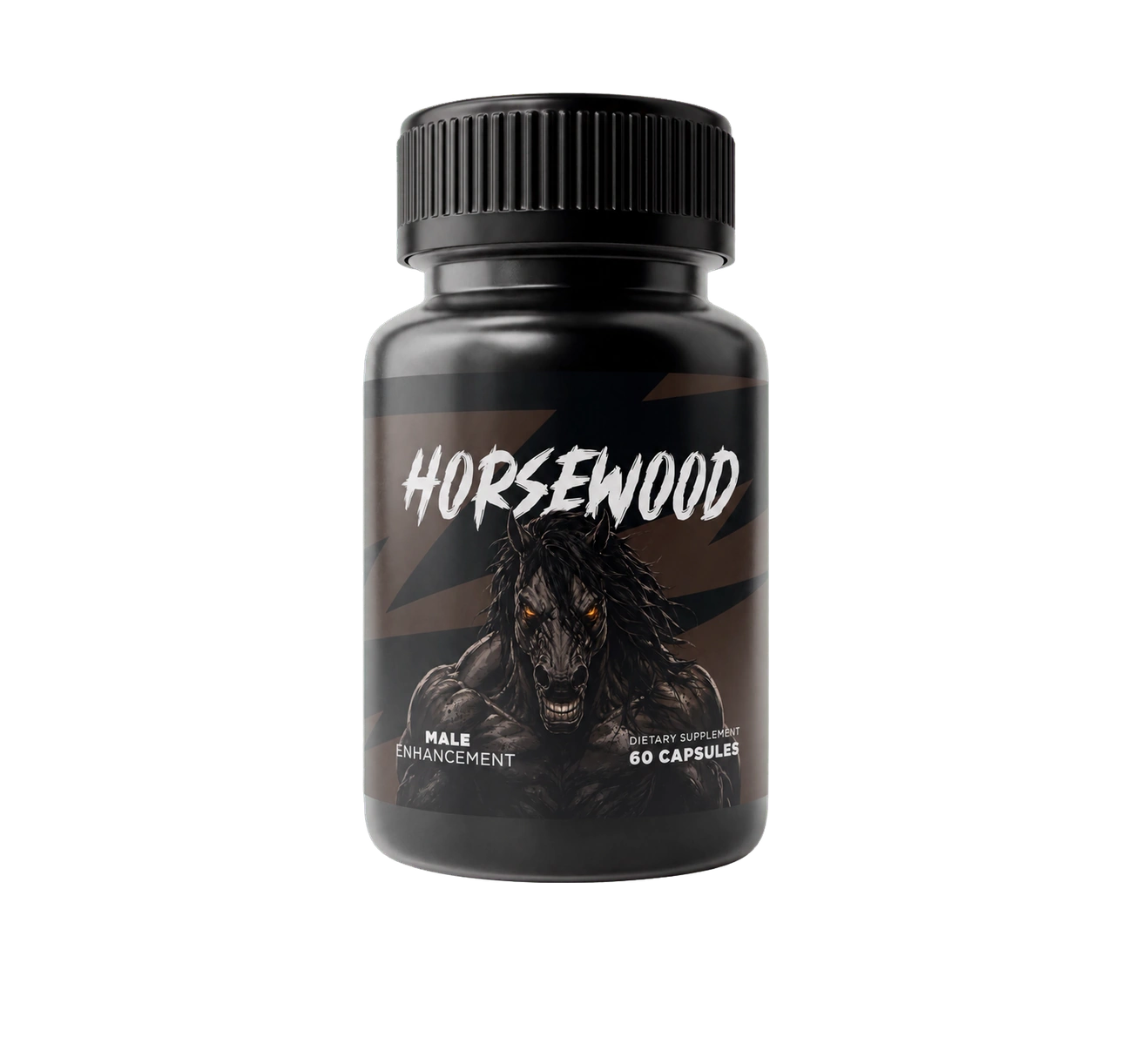
Echinacea in the Horsewood Formula
Echinacea purpurea — amount per capsule not published.
In one line: One of the best-known botanicals in the world, and one of the more disappointing when tested rigorously.
Familiar, popular, and supported by evidence that large independent trials have repeatedly failed to confirm.
What Echinacea Is, Before the Horsewood Framing
Echinacea, the purple coneflower, is native to North America and was used medicinally by Indigenous peoples before becoming one of the most widely sold herbal supplements in the world.
Three species are used — Echinacea purpurea, angustifolia and pallida — and different plant parts are used across preparations. This variability is one reason the research literature is so difficult to compare.
What the Echinacea Research Behind Horsewood Found
Echinacea is a genuinely instructive case in how popularity and evidence can diverge.
The large well-controlled trials have largely been negative. Independent randomised placebo-controlled studies examining echinacea for preventing or shortening the common cold have repeatedly failed to find meaningful benefit. Systematic reviews have generally concluded that the evidence does not support the popular claim.
Some trials are more positive, and defenders point reasonably to the enormous heterogeneity in preparations — different species, different plant parts, different extraction methods — which makes pooling results difficult and may hide genuine effects in specific preparations.
The honest summary is that echinacea may have modest effects with particular preparations, and that the overall body of high-quality evidence does not support the confidence with which it is marketed.
What Echinacea's Inclusion Means in Horsewood
Echinacea is the most conventional immune inclusion there is, and its presence signals category convention more than evidence.
Neither the amount, the species, nor the plant part is published. For echinacea specifically, the species and part matter as much as the weight — they are the main reason its trial results are so inconsistent, so an unlabelled echinacea is difficult to evaluate even in principle.
Of the two immune botanicals here, elderberry has considerably better evidence behind it.
Echinacea Safety in Horsewood
Generally well tolerated, with one group who should take particular care.
- Autoimmune conditions. Echinacea is traditionally cautioned against in autoimmune disease because of its immune-stimulating framing. Discuss it with your doctor if this applies to you.
- Immunosuppressant medication. Same reasoning — raise it before starting.
- Allergies. Echinacea is in the daisy family, so people allergic to ragweed, chrysanthemums or marigolds may react.
- Mild effects include digestive upset and rash.
Horsewood names thirteen ingredients and doses none of them
This is the single most important thing to understand about the product, and it is awkward because the seller makes the opposite claim its headline selling point.
Its own words: "No Proprietary-Blend Games". "Named Doses, Not a Blend Fog". Thirteen ingredients "you can look up individually — not a fog of complexes with undisclosed amounts". "Each named, none hidden."
Yet no milligram figure is published for any of the thirteen. Not on the homepage, not in the ingredients section, not in the FAQ. The ingredients are named. They are not dosed. Those are different things, and only one of them lets you evaluate a formula.
To be fair, avoiding a proprietary blend is genuinely better than hiding ingredients inside one, and naming all thirteen is more than many competitors do. But a named ingredient with no amount attached tells you what is in the bottle without telling you whether there is enough of it to matter.
Why this matters arithmetically. A standard capsule holds roughly 500–800 mg of material in total. The studied amounts above, added together, come to several grams a day. Thirteen ingredients cannot all appear at their researched amounts inside one capsule — there is not physically room. That is not an accusation about this product; it is true of every thirteen-ingredient single-capsule formula, and it is exactly why the amounts should be published.
The one question worth asking the seller before you buy is for the milligram amount of each ingredient per capsule. Given that dose transparency is their headline claim, it is a fair question, and the answer would be a single line.
How to read the research described on this Horsewood page
The studies referred to here examined individual ingredients on their own, at the amounts the researchers chose — typically hundreds of milligrams a day, and for maca and spirulina, grams.
That research explains why an ingredient is of interest. It does not show that Horsewood reproduces those results. No clinical trial of this finished formula has been published, and because the seller publishes no amount for any ingredient, the comparison cannot be completed from the outside. Nothing on this site estimates the missing figures.
Related Horsewood Reading
The main ingredients page lists all thirteen, how Horsewood works explains the four fronts of the formula, and the benefits page assesses each support claim against the evidence.
Horsewood Safety Notes
Horsewood safety and sensible precautions
The reference's own guidance is sound and is repeated here, with a few ingredient specifics added that it does not mention.
- Do not use if pregnant, nursing or under 18. The seller states this directly.
- Show the label to your doctor if you take prescription medication or manage a diagnosed condition — the seller's own advice, and it specifically says show the label rather than a summary of it.
- Ginkgo and bleeding risk. Ginkgo has documented interactions with anticoagulants and antiplatelet drugs, and is normally stopped before surgery. This is the most clinically significant interaction in the formula.
- Green tea extract and the liver. Concentrated green tea extracts have been associated with rare liver injury, which is why several regulators have looked at them. The amount here is not published.
- Thyroid medication. Ashwagandha may increase thyroid hormone levels, which matters if you take levothyroxine or manage a thyroid condition.
- Zinc. If you already take a multivitamin or a separate zinc supplement, you cannot check for overlap here, because the amount is not published. The adult upper limit is 40 mg a day from all sources.
- Autoimmune conditions. Echinacea is traditionally cautioned against in autoimmune disease because of its immune-stimulating framing; discuss it with your doctor.
- Caffeine. The seller states the only caffeine is the small natural amount in green tea extract, which is far below a cup of coffee.
Horsewood is a dietary supplement, not a medicine, and it is not intended to diagnose, treat, cure or prevent any disease.
When to see a doctor rather than buy Horsewood
Low energy, poor focus and feeling worn down are exactly the symptoms most likely to send someone to a supplement page, and they are also the symptoms most likely to have a diagnosable cause.
Persistent fatigue can reflect iron deficiency or anaemia, an underactive thyroid, sleep apnoea, depression, diabetes or vitamin B12 deficiency. Every one of those is identifiable with a straightforward blood test or assessment, and every one is treatable. A blood panel costs less than a six-bottle order.
New or worsening difficulty concentrating, especially with mood change or sleep disruption, is worth discussing rather than supplementing around.
Chronic stress that is not resolving is a health issue in its own right. Adaptogens are not a substitute for addressing it.
To the reference's credit, it says something similar: it tells readers to check with a doctor and states that the product supports everyday wellness rather than treating any condition. That is the right advice and it is repeated here.
More Horsewood Ingredients
Considering Horsewood?
Read the ingredients page first. Thirteen sensible ingredients are named, and not one of them is dosed — understanding that distinction is the most useful thing you can do before spending anything.
From $49 per bottle · 60-day money-back guarantee · No subscription or rebills