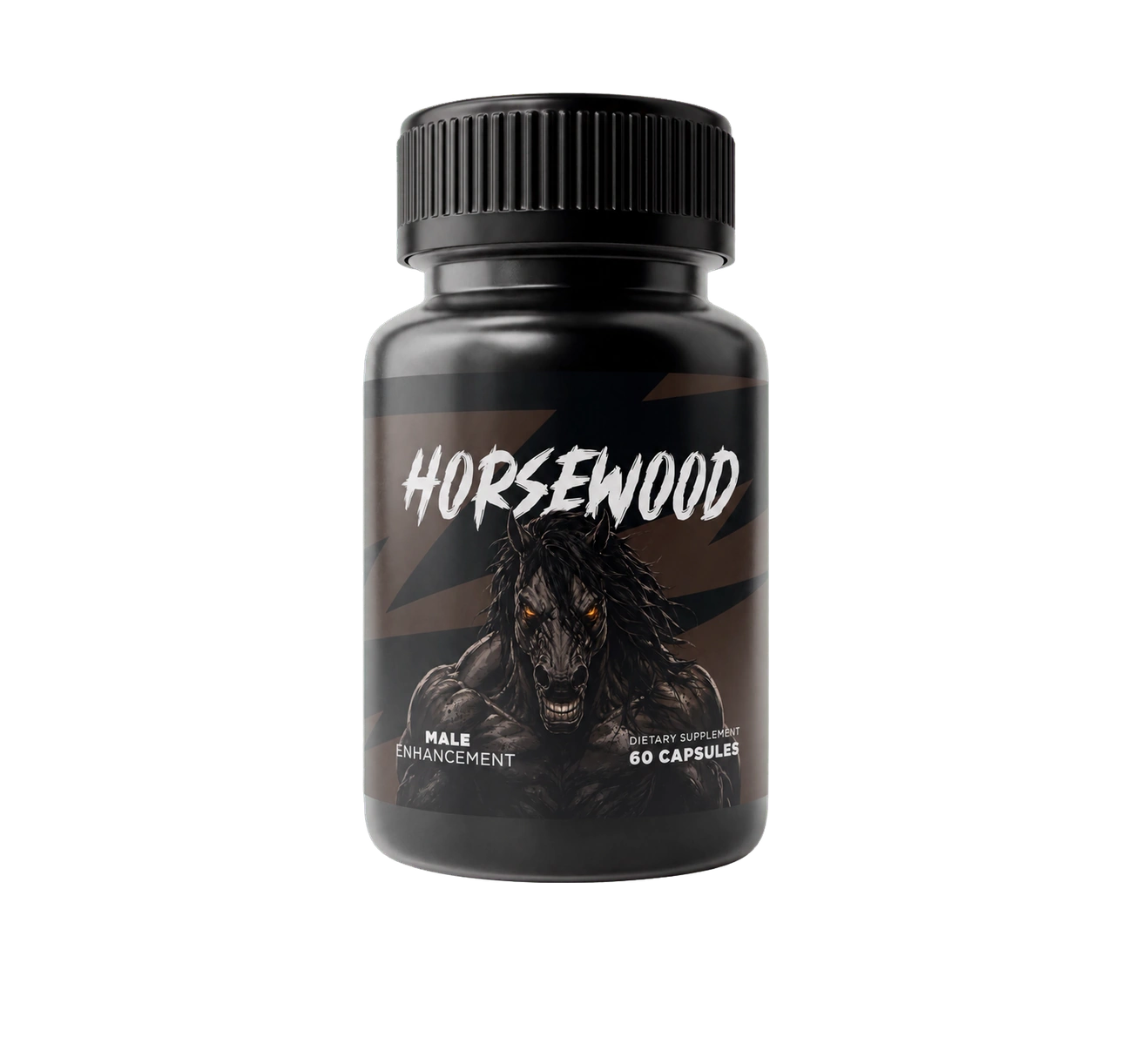
Elderberry
Has the strongest immune evidence of anything in the formula — for a use case this product is not sold for.
Elderberry in the Horsewood Formula
Sambucus nigra — amount per capsule not published.
In one line: Genuine research on cold and flu symptom duration, at doses taken when ill rather than daily.
Has the strongest immune evidence of anything in the formula — for a use case this product is not sold for.
What Elderberry Is, Before the Horsewood Framing
Elderberry (Sambucus nigra) is the dark purple fruit of the European elder tree, used in traditional European medicine for centuries and consumed as a syrup, wine and preserve.
Its characteristic compounds are anthocyanins, the flavonoid pigments responsible for the deep colour, along with other flavonoids.
One safety point up front: raw elderberries, leaves, bark and seeds contain cyanogenic glycosides and must be cooked or properly processed. Commercial preparations handle this, but it is why elderberry is not eaten raw.
What the Elderberry Research Behind Horsewood Found
Elderberry has the best immune-related evidence of any ingredient in this formula, and it is worth being precise about what that evidence covers.
Cold and influenza symptom duration. Several randomised trials have examined elderberry extract taken at the onset of symptoms, with some reporting reduced duration and severity. A meta-analysis of upper respiratory symptoms found a reduction in symptom duration.
The trials are small, several are industry-funded, and reviews call for larger independent studies. But by the standards of immune botanicals, this is a real evidence base.
What has not been established is that a small daily amount taken preventively year-round reduces how often you get ill. That is a different question, and it is the one relevant to a daily wellness capsule.
What Elderberry's Inclusion Means in Horsewood
A sensible ingredient choice, positioned for a use case its research does not cover.
The trials that found benefit used elderberry therapeutically — substantial doses of syrup or extract, started when symptoms appeared, over several days. Horsewood provides an unpublished amount, taken preventively, every day.
That is not a criticism of elderberry, which is a good ingredient. It is a reason not to expect the trial findings to transfer to this context.
A practical suggestion: if the elderberry evidence is what appeals, a dedicated elderberry syrup kept for when you actually feel something coming on matches the research far more closely than a daily capsule does.
Elderberry Safety in Horsewood
Properly processed elderberry has a good safety record.
- Never consume raw elderberries, leaves, bark or seeds — they contain cyanogenic glycosides. Commercial preparations are processed to remove this.
- Autoimmune conditions. As with other immune-active botanicals, discuss with your doctor.
- Immunosuppressant medication. Worth raising for the same reason.
- Mild digestive upset is occasionally reported.
Horsewood names thirteen ingredients and doses none of them
This is the single most important thing to understand about the product, and it is awkward because the seller makes the opposite claim its headline selling point.
Its own words: "No Proprietary-Blend Games". "Named Doses, Not a Blend Fog". Thirteen ingredients "you can look up individually — not a fog of complexes with undisclosed amounts". "Each named, none hidden."
Yet no milligram figure is published for any of the thirteen. Not on the homepage, not in the ingredients section, not in the FAQ. The ingredients are named. They are not dosed. Those are different things, and only one of them lets you evaluate a formula.
To be fair, avoiding a proprietary blend is genuinely better than hiding ingredients inside one, and naming all thirteen is more than many competitors do. But a named ingredient with no amount attached tells you what is in the bottle without telling you whether there is enough of it to matter.
Why this matters arithmetically. A standard capsule holds roughly 500–800 mg of material in total. The studied amounts above, added together, come to several grams a day. Thirteen ingredients cannot all appear at their researched amounts inside one capsule — there is not physically room. That is not an accusation about this product; it is true of every thirteen-ingredient single-capsule formula, and it is exactly why the amounts should be published.
The one question worth asking the seller before you buy is for the milligram amount of each ingredient per capsule. Given that dose transparency is their headline claim, it is a fair question, and the answer would be a single line.
How to read the research described on this Horsewood page
The studies referred to here examined individual ingredients on their own, at the amounts the researchers chose — typically hundreds of milligrams a day, and for maca and spirulina, grams.
That research explains why an ingredient is of interest. It does not show that Horsewood reproduces those results. No clinical trial of this finished formula has been published, and because the seller publishes no amount for any ingredient, the comparison cannot be completed from the outside. Nothing on this site estimates the missing figures.
Related Horsewood Reading
The main ingredients page lists all thirteen, how Horsewood works explains the four fronts of the formula, and the benefits page assesses each support claim against the evidence.
Horsewood Safety Notes
Horsewood safety and sensible precautions
The reference's own guidance is sound and is repeated here, with a few ingredient specifics added that it does not mention.
- Do not use if pregnant, nursing or under 18. The seller states this directly.
- Show the label to your doctor if you take prescription medication or manage a diagnosed condition — the seller's own advice, and it specifically says show the label rather than a summary of it.
- Ginkgo and bleeding risk. Ginkgo has documented interactions with anticoagulants and antiplatelet drugs, and is normally stopped before surgery. This is the most clinically significant interaction in the formula.
- Green tea extract and the liver. Concentrated green tea extracts have been associated with rare liver injury, which is why several regulators have looked at them. The amount here is not published.
- Thyroid medication. Ashwagandha may increase thyroid hormone levels, which matters if you take levothyroxine or manage a thyroid condition.
- Zinc. If you already take a multivitamin or a separate zinc supplement, you cannot check for overlap here, because the amount is not published. The adult upper limit is 40 mg a day from all sources.
- Autoimmune conditions. Echinacea is traditionally cautioned against in autoimmune disease because of its immune-stimulating framing; discuss it with your doctor.
- Caffeine. The seller states the only caffeine is the small natural amount in green tea extract, which is far below a cup of coffee.
Horsewood is a dietary supplement, not a medicine, and it is not intended to diagnose, treat, cure or prevent any disease.
When to see a doctor rather than buy Horsewood
Low energy, poor focus and feeling worn down are exactly the symptoms most likely to send someone to a supplement page, and they are also the symptoms most likely to have a diagnosable cause.
Persistent fatigue can reflect iron deficiency or anaemia, an underactive thyroid, sleep apnoea, depression, diabetes or vitamin B12 deficiency. Every one of those is identifiable with a straightforward blood test or assessment, and every one is treatable. A blood panel costs less than a six-bottle order.
New or worsening difficulty concentrating, especially with mood change or sleep disruption, is worth discussing rather than supplementing around.
Chronic stress that is not resolving is a health issue in its own right. Adaptogens are not a substitute for addressing it.
To the reference's credit, it says something similar: it tells readers to check with a doctor and states that the product supports everyday wellness rather than treating any condition. That is the right advice and it is repeated here.
More Horsewood Ingredients
Considering Horsewood?
Read the ingredients page first. Thirteen sensible ingredients are named, and not one of them is dosed — understanding that distinction is the most useful thing you can do before spending anything.
From $49 per bottle · 60-day money-back guarantee · No subscription or rebills