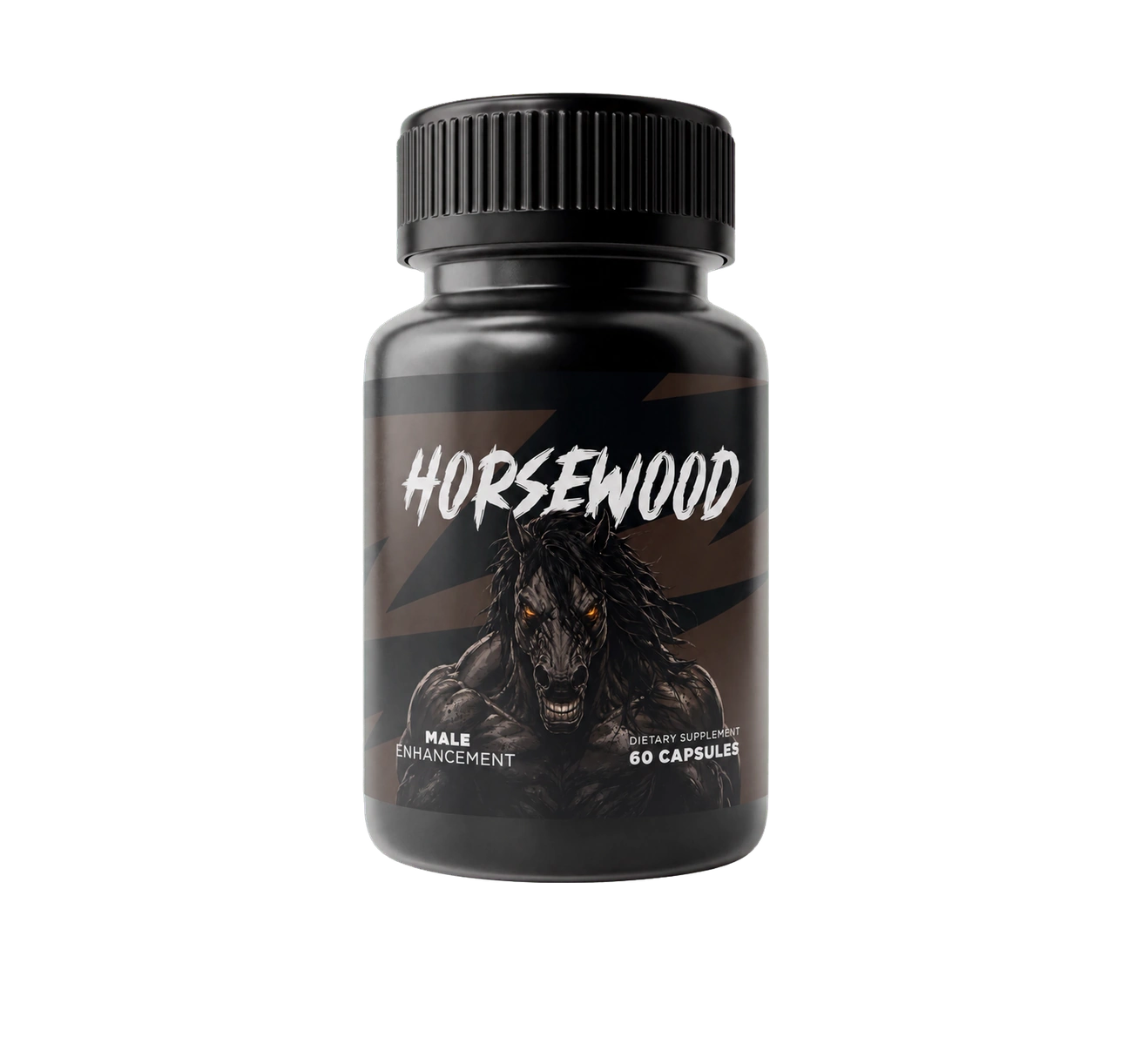
How Ingredients Can Complement a Wellness Routine
Not every ingredient in a formula is doing a job. Here is how to work out which ones are.
The Three Roles an Ingredient Can Play in a Horsewood-Style Formula
Sorting a long ingredient list into these three categories tells you more than any marketing copy will.
1. Filling a nutritional gap. Essential nutrients where intake is commonly inadequate — magnesium and vitamin D are the classic examples. The value is real but conditional on you actually being short.
2. Adding something diet does not supply. Botanical compounds you would not otherwise consume in meaningful amounts. Ashwagandha withanolides are not in your dinner. Here the question is whether the amount reaches what research used.
3. Being present for the label. Ingredients included in quantities too small to do anything, because buyers recognise the name. This is extremely common and it is why amounts matter.
The uncomfortable truth is that in a thirteen-ingredient capsule, some ingredients are necessarily in the third category — there is not room for all of them to be in the first two.
Why Ingredient Count Works Against Horsewood-Style Formulas
This is arithmetic rather than opinion, and it is the most useful thing in this article.
A standard capsule holds roughly 500 to 800 mg of material. That is the physical constraint every multi-ingredient formula works within.
Now consider typical research amounts for common ingredients: ashwagandha 300–600 mg, bacopa 300 mg, rhodiola 200–600 mg, ginkgo 120–240 mg, maca 1,500–3,000 mg, spirulina 1,000–8,000 mg.
Any two of those would fill a capsule. Six of them would need several. So a thirteen-ingredient capsule cannot deliver research-level amounts of everything, and no formulation cleverness changes that.
This is not an argument that such formulas are useless. It is an argument that a shorter list at meaningful amounts beats a longer list at token ones, and that a long ingredient list should make you more curious about the amounts rather than more impressed.
Where Horsewood-Style Formulas Genuinely Help
To be fair rather than merely sceptical, there are real cases.
Convenience creates adherence. One capsule taken daily for six months beats four products abandoned in three weeks. If a combined formula is what you will actually take, that has genuine value even at modest amounts.
Small contributions can accumulate. A modest amount of magnesium on top of a slightly inadequate diet may bring you to sufficiency, which is worth something even if the amount looks unimpressive.
Some ingredients need less than you think. Minerals in particular have defined requirements measured in milligrams, so a nutritionally meaningful amount is achievable in a capsule — unlike gram-scale food ingredients.
The honest position is that combined formulas trade potency for convenience. That is a legitimate trade if you know you are making it.
Horsewood names thirteen ingredients and doses none of them
This is the single most important thing to understand about the product, and it is awkward because the seller makes the opposite claim its headline selling point.
Its own words: "No Proprietary-Blend Games". "Named Doses, Not a Blend Fog". Thirteen ingredients "you can look up individually — not a fog of complexes with undisclosed amounts". "Each named, none hidden."
Yet no milligram figure is published for any of the thirteen. Not on the homepage, not in the ingredients section, not in the FAQ. The ingredients are named. They are not dosed. Those are different things, and only one of them lets you evaluate a formula.
To be fair, avoiding a proprietary blend is genuinely better than hiding ingredients inside one, and naming all thirteen is more than many competitors do. But a named ingredient with no amount attached tells you what is in the bottle without telling you whether there is enough of it to matter.
Why this matters arithmetically. A standard capsule holds roughly 500–800 mg of material in total. The studied amounts above, added together, come to several grams a day. Thirteen ingredients cannot all appear at their researched amounts inside one capsule — there is not physically room. That is not an accusation about this product; it is true of every thirteen-ingredient single-capsule formula, and it is exactly why the amounts should be published.
The one question worth asking the seller before you buy is for the milligram amount of each ingredient per capsule. Given that dose transparency is their headline claim, it is a fair question, and the answer would be a single line.
Building Around a Horsewood Routine Rather Than On It
The most sensible way to use a general daily formula is as a base, not a plan.
Identify what you actually need — ideally with a blood test rather than a guess. Iron, vitamin D, B12 and thyroid function are the usual culprits behind persistent tiredness, and all are measurable.
Address the big levers first. Sleep, movement, protein intake and managing your actual stressors will outperform any capsule.
Then, if one specific ingredient interests you, consider it separately at the researched amount rather than hoping a general formula contains enough.
A daily multi-ingredient capsule is a reasonable background habit. It is not a strategy on its own.
More Horsewood Articles
Considering Horsewood?
Read the ingredients page first. Thirteen sensible ingredients are named, and not one of them is dosed — understanding that distinction is the most useful thing you can do before spending anything.
From $49 per bottle · 60-day money-back guarantee · No subscription or rebills